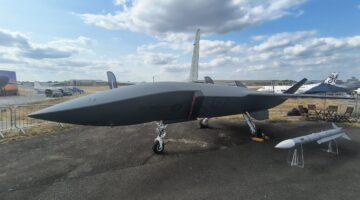
Germany changes course on plans to buy MQ-28 drone wingman: Boeing official
Germany has set a target of 2029 to field a CCA, which would make it the first European country to reach such a milestone, but that timeline now looks to be in doubt.
Germany has set a target of 2029 to field a CCA, which would make it the first European country to reach such a milestone, but that timeline now looks to be in doubt.
The US airframer also announced that Hensoldt has been added to its German MQ-28 supplier base, in support of a bid to land Berlin’s CCA requirement.


Decentralized Embodied Collaborative intelligence enables better reconnaissance, logistics and combat capabilities.

Industrial planning depends on first securing a CCA contract and beating out a number of competitors.

The aircraft's wingspan will expand from 6 meters to 7.3 meters, or 20 to 24 feet.

The deal was announced after the MQ-28 successfully engaged and shot down an aerial target at a southern Australian test range.

"I just think we don't quite understand how much this will change Air Force going forward," Australian Air Vice Marshall Nick Hogan said.


A decorated combat aviator and biotech CEO advocates preparing for novel viral threats before the next crisis.

Anduril has held talks with other countries in the region, executive David Goodrich said in an interview, but Australia is clearly a prime target.
"We'll definitely look at air-ground in the future, but our focus priority is air-to-air," Steve Parker, Boeing's interim defense chief, told reporters during the Avalon Air Show.

Speaking to Breaking Defense, Pat Conroy, defense industry minster, pushed back on the idea the Boeing-made drone would be considered for ISR only.
“I won't go into details of the nature of that drone for security reasons,” Pat Conroy told reporters in Canberra. "But I want to assure everyone in this country that we are spending lots of time working on drones."


Traditional thinking about how to protect facilities must adapt to new threats such as drones or downstream attacks.

Poland is carrying out a market evaluation of loyal wingmen aircraft as a step toward a later full acquisition program, said Maj. Gen. Cezary Wisniewski, deputy commander of the Polish Armed Forces.
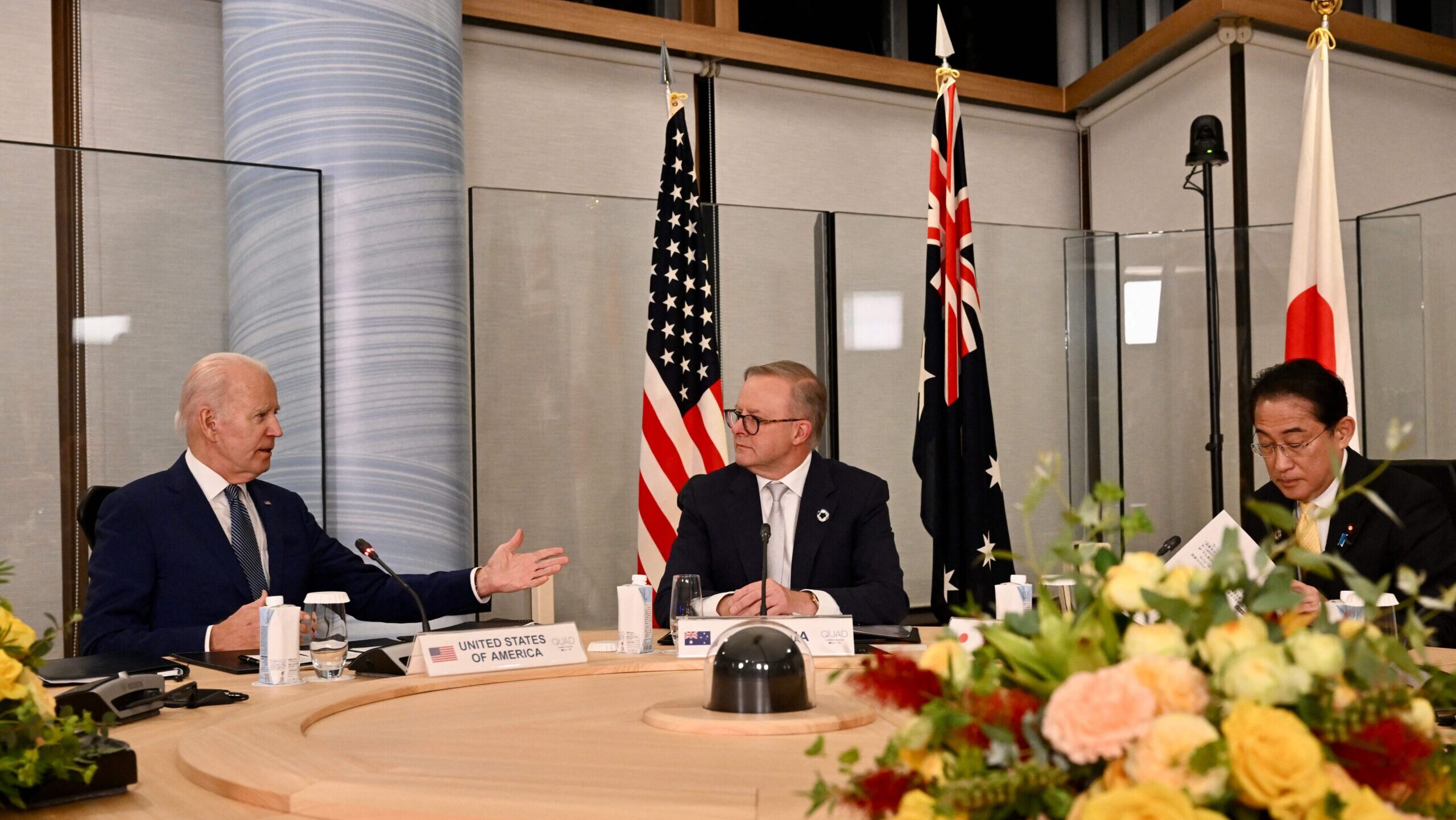
“Japan has a strong industrial base, and taking advantage of it for CCA development and production is a win-win-win,” said Mark Gunzinger of the Mitchell Institute.

“It's hard to make large capital investments when your business is not as healthy as it could be or you want it to be,” said Boeing's Steve Nordlund. “But that's the time that you also have to make those hard decisions, so you come out on the other side much stronger.”
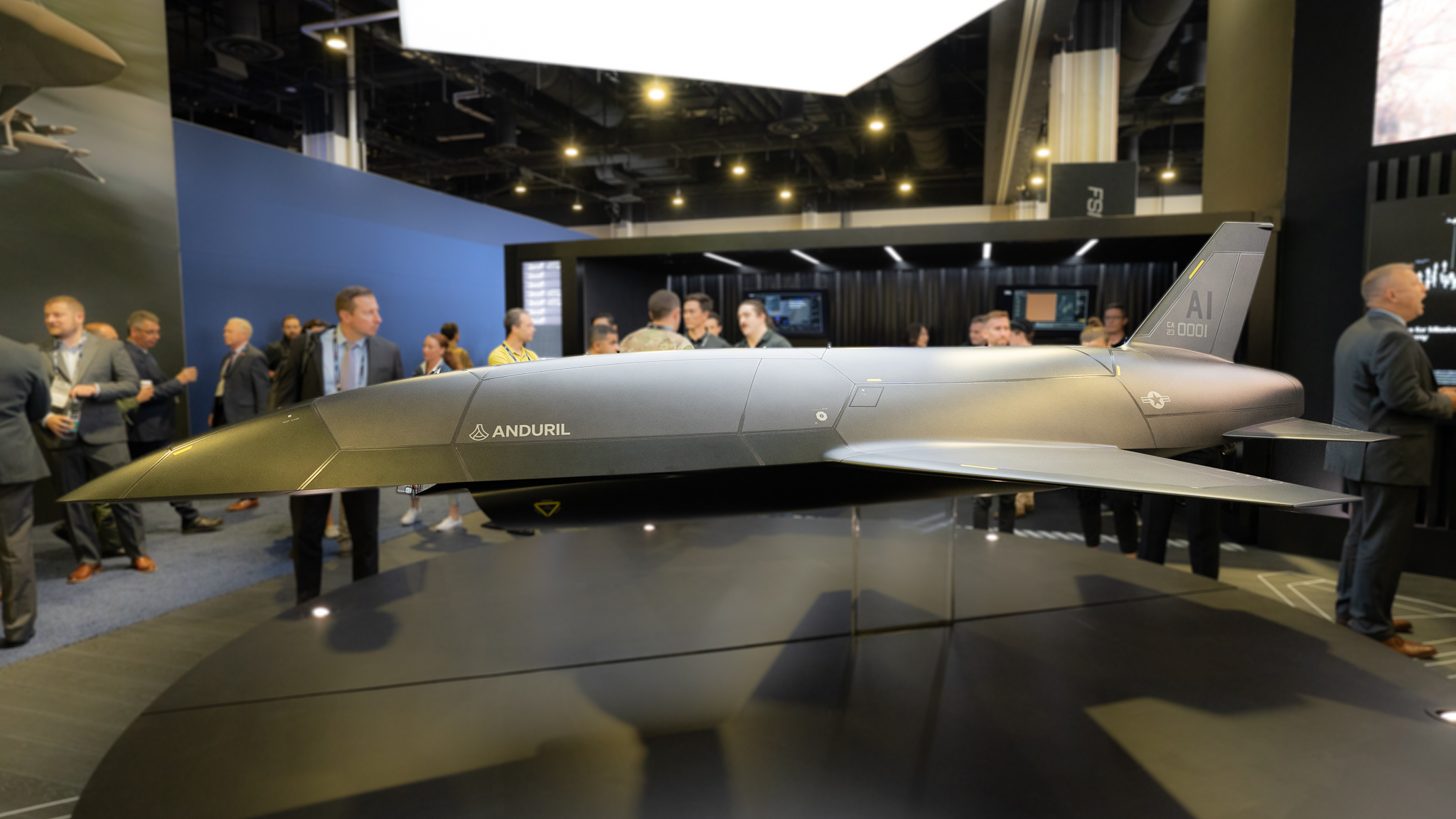
A new request for information released by the Air Force shows that future Collaborative Combat Aircraft engines could provide considerable capability, according to an expert, but could also face drawbacks in cost and operations.